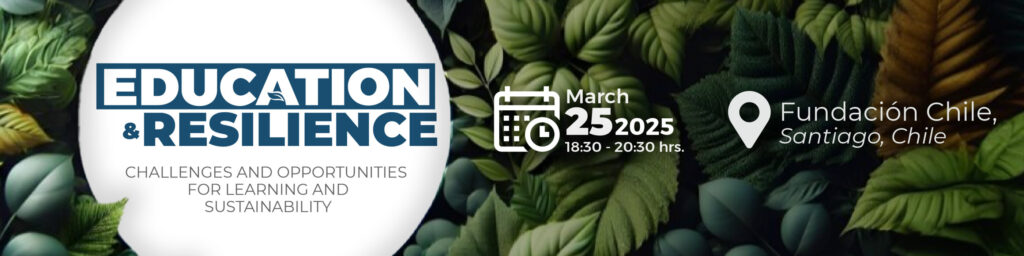
Pre-Annual Meetings of the IDB 2025 Board of Governors Event

25 Mar

18:30 - 20:30

Objective and themes

Education and resilience share a profound bidirectional relationship. On one hand, higher temperatures and natural disasters are intensifying existing challenges in education systems across Latin America and the Caribbean. In a region already facing low learning levels, inequities, and disrupted educational trajectories, extreme heat and natural disasters are further straining access to education and learning outcomes. The increasing frequency and intensity of these events, combined with infrastructure that is not designed to withstand such conditions, are leading to school closures, and creating classroom environments that are not conducive to learning.

At the same time, education has the power to drive adaptation. By equipping individuals with the skills to navigate a changing environment, education can empower communities to mitigate risks, adapt to new realities, and unlock opportunities in emerging industries. Strengthening the resilience of education systems and ensuring learning environments are prepared for extreme heat and natural disasters will be key to safeguarding the future of students. This event will explore strategies to build adaptive capacity, create resilient and heatready schools, and harness education as a transformative force for both resilience and economic development.

The event will focus on addressing the following questions:

  • How are extreme heat and natural disasters affecting education systems in Latin America and the Caribbean, exacerbating inequities, low learning outcomes, and disrupted educational trajectories?
  • What strategies and investments are needed to build resilient and heat-ready schools that provide safe and conducive learning environments while also equipping new generations with the skills to adapt, thrive, and seize opportunities in emerging industries?
  • What role can partnerships between governments, international organizations, and local communities play in implementing and scaling solutions that enhance education’s resilience to extreme heat and natural disaster-related disruptions?

Simultaneous interpretation available in English, Spanish, and Portuguese.

Agenda 

18:30 – 19:00

Registration and coffee

Guests complete their registration with an opportunity to connect and prepare for the program over coffee.

19:00 – 19:20

Opening remarks
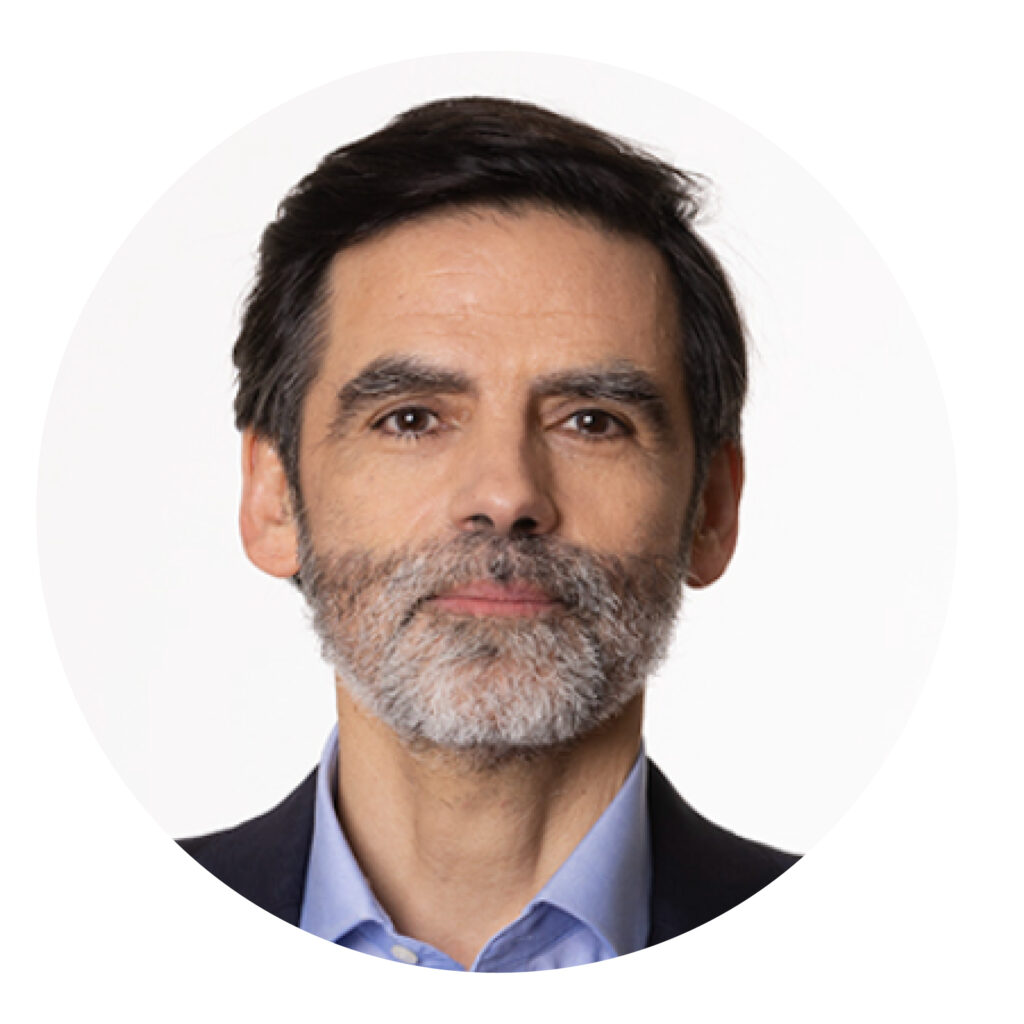
MSc/MPhil in Sociology from the London School of Economics and a Bachelor’s degree in Psychology from the Pontifical Catholic University of Chile. Additionally, he is a certified trainer on the Managing Innovation Programme at the Centre for Research in Innovation Management (Centrim, UK). An international consultant with over 20 years of experience in human capital development in Chile and other countries. He has served as a consultant for the IDB, World Bank, ILO, and UNESCO on issues related to lifelong learning, workforce training, and labor markets.

Carola Moreno holds a Ph.D. in Economics from Boston University and a degree in Business and Economics from the University of Chile. Previously, she served as Acting Head of the International Relations Unit at the Central Bank of Chile and was an alternate member of the Committee for Setting Exchange Rate Limits. Between 2021 and February 2022, she worked as Advisor to the Head of the Financial Policy Division at the Central Bank. From 2017 to 2020, she served as Chile’s representative to the International Monetary Fund (IMF) and as Advisor to the Director of the Southern Cone Office (OEDAG) on the IMF Executive Board. Between 2012 and 2017, she was Senior Economist and Head of the External Monitoring Group (GME) at the Central Bank of Chile. In 2011 and 2012, she was a professor and Director of the Center for Economic and Business Studies (CEEN) at Universidad del Desarrollo. Previously, she held positions as Lead Economist at the Global Trends Unit (UTG) and at the Chile Research Department of BBVA. From 1998 to 2001, she was Economic Advisor to the Coordination of International Finance and Capital Markets at the Ministry of Finance.

Mohammed Al Kubaisi has 15+ years of experience in operations, procurement, and project management across the oil & gas and education sectors. He joined Education Above All (EAA) in 2014 and has played a key role in enhancing its procurement and operations efficiency. Previously, he held leadership roles at Dolphin Energy. He holds degrees from Qatar University, HEC Paris, and Georgetown University, and is a graduate of the Qatar Leadership Center. 

Ms. Ana María Ibáñez, a Colombian economist, is IDB’s VP for Sectors and Knowledge since 2023. Previously, she was Principal Economics Advisor at IDB and a professor at Universidad de los Andes, where she researched migration, rural development, and conflict. She also held leadership roles at CEDE and served on boards including BBVA-Colombia and the UN Peace Building Fund. She has been a visiting professor at Princeton and Yale and has authored key publications on forced displacement. She holds a Ph.D. and Master’s in Agricultural and Resource Economics from the University of Maryland and a degree in Economics from Universidad de los Andes.

19:20- 19:30

Keynote. Beating the Heat: A Call to Action from the Next Generation

This inspiring keynote will set the stage for a critical discussion on how extreme heat and natural disasters are affecting education, while also highlighting the opportunities to build more resilient learning environments. It will emphasize the urgency of adapting, innovating, and acting so that no student sees their education and future hindered.

Valery Salas is a Peruvian student and youth advocate focused on natural events and education. She is the Founder and Director of a platform that amplifies Latin American women’s voices for action. Valery has represented youth perspectives at global summits, including COP27 and COP28, and has been recognized for her leadership in mobilizing young people for resilience and sustainability.

19:30- 20:00

Panel Discussion. Advancing Resilient and Heat- Ready Schools to Protect Learning

This panel will explore the strategies and investments needed to create heatschools that ensure safe and conducive learning environments while equipping students with the skills to adapt, thrive, and seize opportunities in emerging industries. Education leaders will discuss policy responses, infrastructure adaptation, and calendar and planning innovations that can strengthen school resilience and prepare future generations for a changing environment and economy. Panelists will share successful strategies from their countries and reflect on the challenges and opportunities in making education systems more resilient to extreme heat and natural disasters.
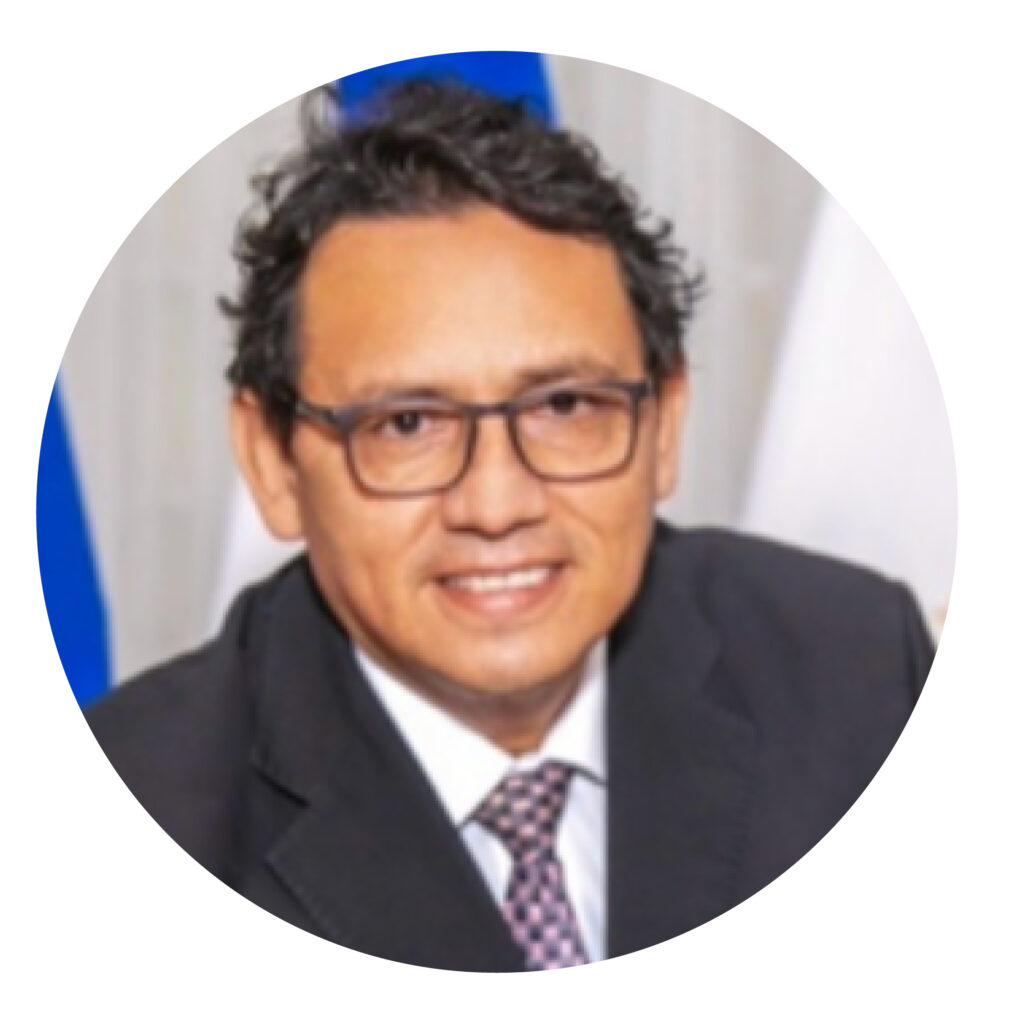
José Mauricio Pineda has over 20 years of experience in government management, public policy, and international cooperation. He has held senior roles in education and health, including Director of Planning at the Ministry of Education (2019-2022) and General Manager at the Ministry of Health, overseeing a US$520 million budget. Appointed Minister of Education in 2022, he is committed to educational reform and system improvement in El Salvador.

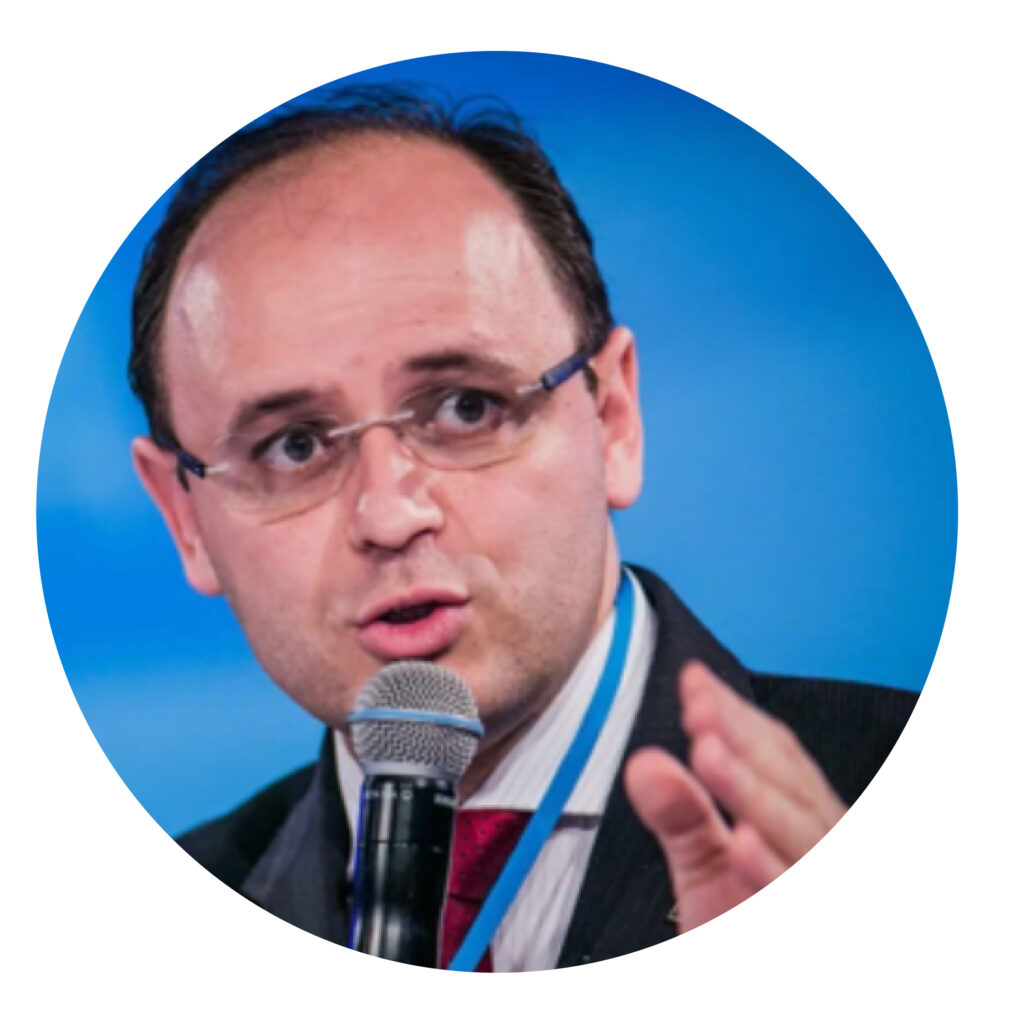
Rossieli Soares is a former Minister of Education of Brazil (2018) and an expert in education policy and reform. He has served as Secretary of Education for Amazonas, Vice President of the National Council of State Secretaries of Education and held key roles in the Ministry of Education (MEC). He played a central role in Brazil’s school reform policy (2017) and the approval of the Common Curriculum for Early Childhood and Primary Education (2017). Since 2023, he has been the Education Secretary of Pará.

Former Executive Director of Elige Educar, Joaquín Walker was also part of the Public Policy Center at the Pontifical Catholic University of Chile (UC). He is a lawyer from the Catholic University and holds a Master’s degree in Public Policy from the University of Oxford. He served as Coordinator of the Legislative Advisory and Monitoring Program at the Democracy and Community Center, and was also President of the UC Student Federation (FEUC).

Valentina Quiroga is an expert in education policy and sustainable development, with a degree in Industrial Civil Engineering and a Master’s in Applied Economics from the University of Chile. She founded Fundación Educación 2020, led Fundación Espacio Público, and served as Undersecretary of Education (2014-2018), where she helped design Chile’s Educational Reform. At Fundación Chile, she focuses on education, digital transformation, and the green economy, driving public-private collaboration and scalable solutions for impact.

20:00- 20:20

Panel Discussion. Partnerships for Resilient Education

A quick round of questions and real-time insights to explore how strategic partnerships can drive innovative solutions to strengthen education resilience in the face of extreme heat and natural disaster. Through a dynamic conversation, panelists will discuss successful collaborations, financing mechanisms, and policy innovations to scale impactful initiatives. The discussion will highlight key opportunities to ensure that schools provide safe and conducive learning environments, capable o equipping students with the skills needed for a changing world.

Dr. Mary Joy Pigozzi has led Educate A Child (EAC) since 2012, driving global efforts to expand access to education. She previously held senior roles at FHI 360, UNESCO, and UNICEF, where she developed key initiatives like the UN Girls’ Education Initiative. With expertise spanning early childhood to higher education, she has extensive field experience and has served on the faculties of Indiana University and Michigan State University.

Esther Kuisch has held senior roles at UNESCO, UNDSS, UNRWA, OCHA, and UNICEF, leading initiatives in education, development, and humanitarian aid. She previously served as UNESCO Director in San José (2018-2021) and Tehran (2014-2018). With extensive global experience, she holds Master’s degrees from Leiden University and Pennsylvania State University and is fluent in Dutch, English, French, and Spanish.

Avinash Persaud has 30+ years of experience in development finance, public policy, and academia. Since 2018, he has been Special Climate Envoy to the Prime Minister of Barbados, driving climate finance and investment efforts. He has advised COP26, COP27, and COP28, chaired the Caribbean Community’s Commission on the Economy, and held leadership roles at major financial institutions. A recognized expert in climate, financial policy, and innovation, he holds a B.A. in Monetary Economics from LSE and has been affiliated with the London Business School and the Peterson Institute.

20:20- 20:30

Closing conversation. Youth Voices Driving Resilient Education

As the event concludes, this conversation will reflect on the urgency and opportunity of strengthening education systems to withstand extreme heat and natural disasters. It will highlight the progress being made, the innovative solutions already emerging, and the power of collaboration to drive meaningful change. The discussion will reinforce the need for investments in resilient and heat-ready schools, stronger partnerships, and meaningful youth participation in decision-making, ensuring that education systems are resilient and equip students with the skills for adaptation and emerging industries.



Francisco Vera, a 14-year-old Colombian student. At the age of 9, he founded Guardianes por la Vida, a platform to raise awareness about resilience and children’s rights. He has been recognized by various organizations, including UNICEF and the European External Action Service.

Ferdinando Regalia has been the Manager of the Social Sector at the Inter-American Development Bank (IDB) since 2021. Previously, he served as Head of the Social Protection and Health Division, Advisor to the Vice President of Sectors and Knowledge at the IDB, and Head of Economy and Social Policy at UNICEF. He holds a Ph.D. in Economics from Pompeu Fabra University. 

20:30

Closing reception

Limited spots available!  

    Let's talk... …

    To start, write us your name

    There is a field that the sender must fill in
    There is a field that the sender must fill in

    ¿Cuál es tu correo electrónico?

    There is a field that the sender must fill in

    Déjanos un mensaje y te contactaremos pronto

    There is a field that the sender must fill in