



OECD and Fundación Chile Launch First-of-Its-Kind Dialogue in Latin America to Open New Markets for Indigenous Businesses
By Ximena Opazo.
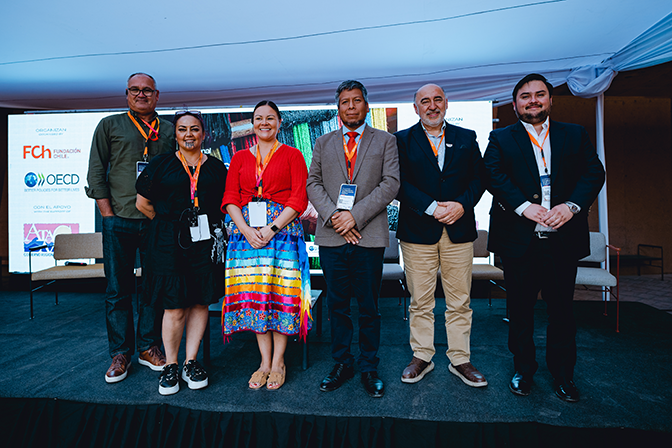
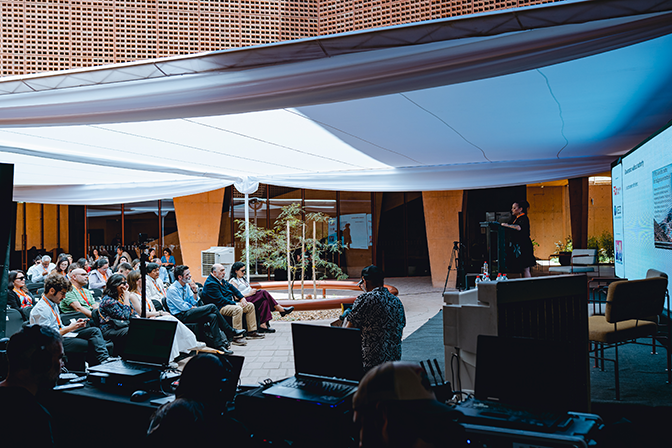
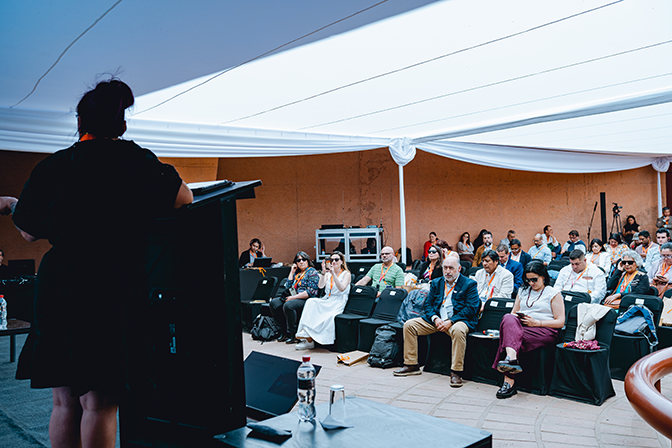
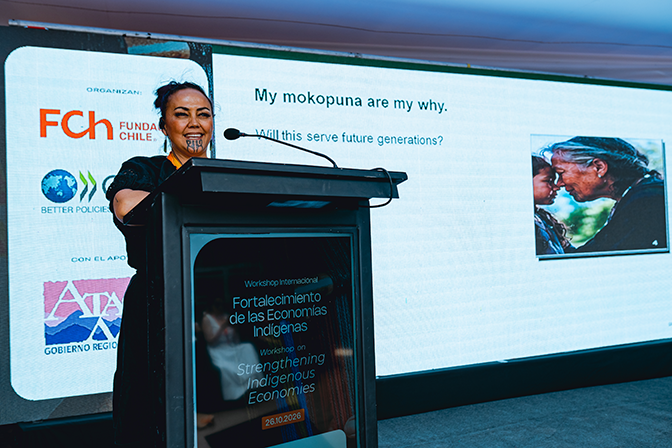
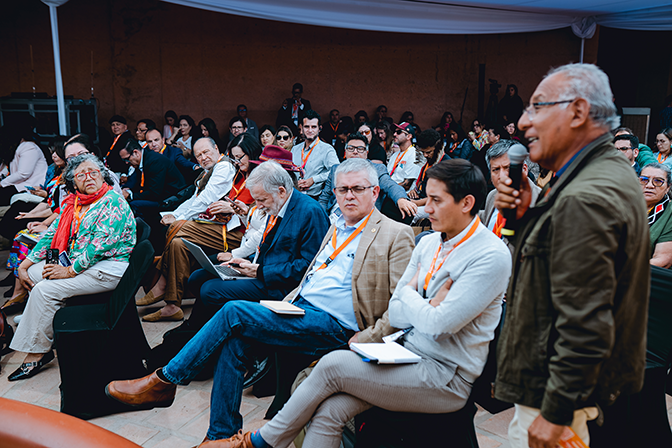
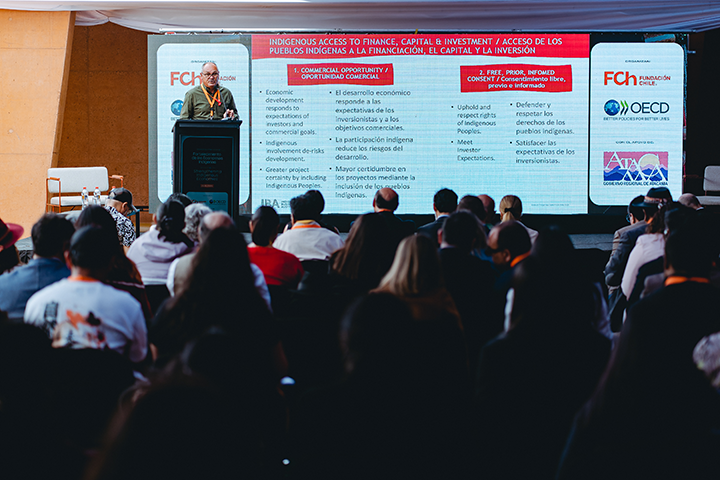
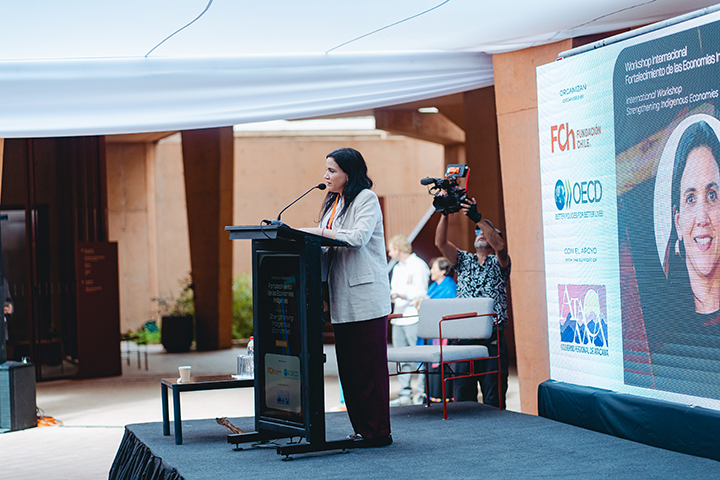
How can Indigenous businesses not only access commercial opportunities, but also grow, diversify their operations, and build long-term business relationships? This was one of the central discussions at the international gathering “Strengthening Indigenous Economies,” organized by Fundación Chile and the Organisation for Economic Cooperation and Development (OECD), with the support of the Regional Government of Atacama, held at the Regional Museum of Atacama.
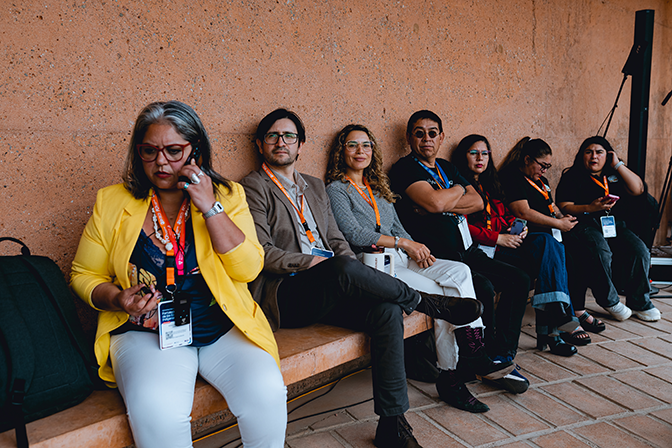
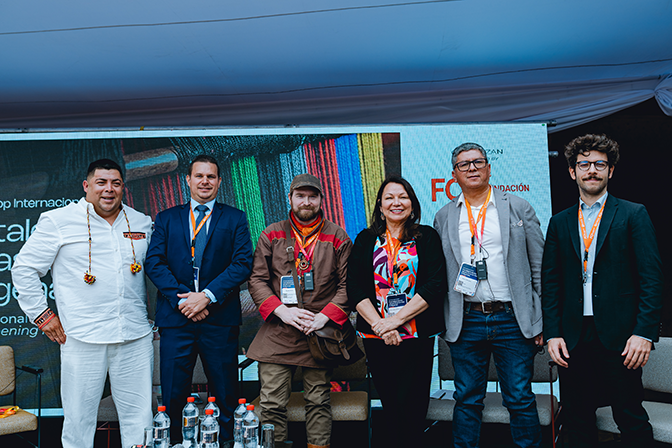
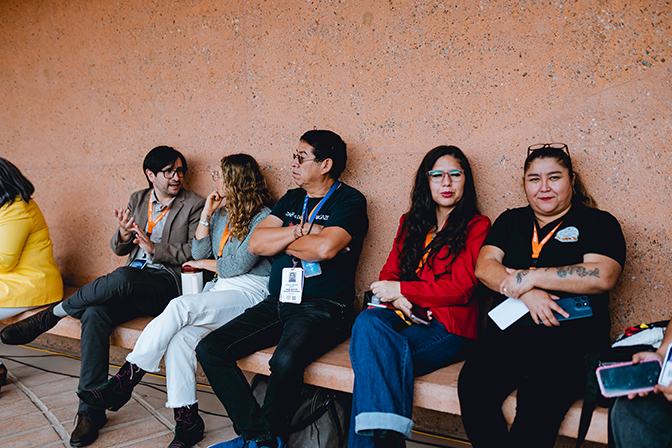
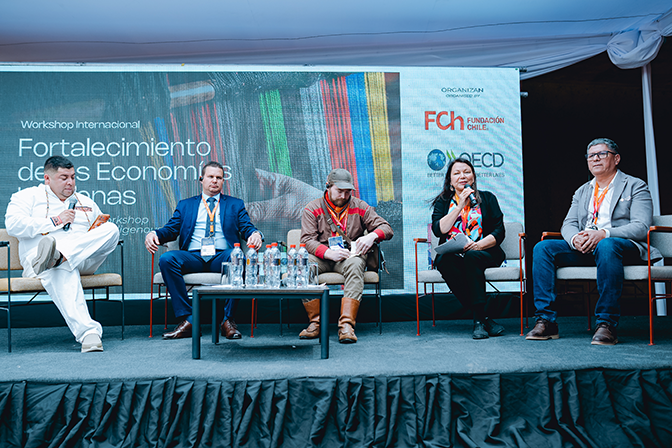
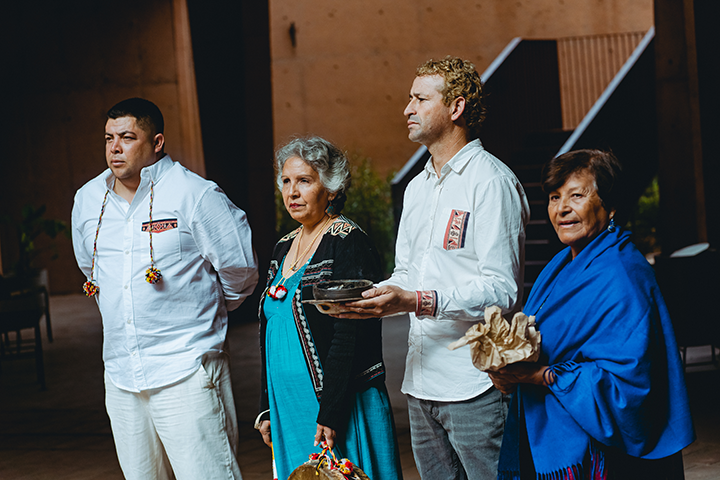
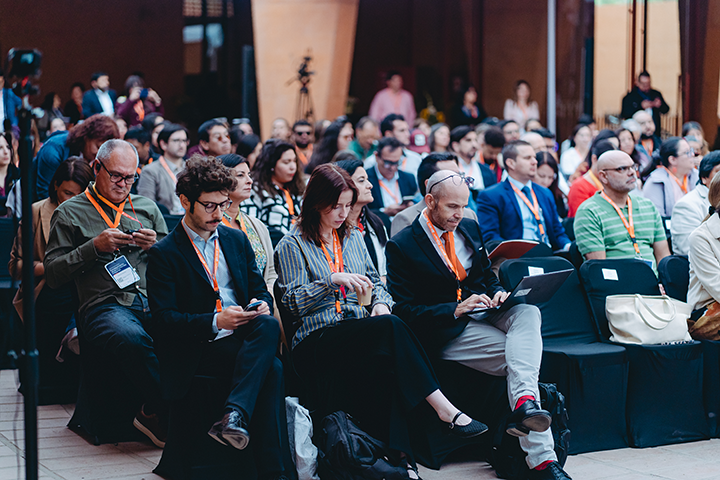
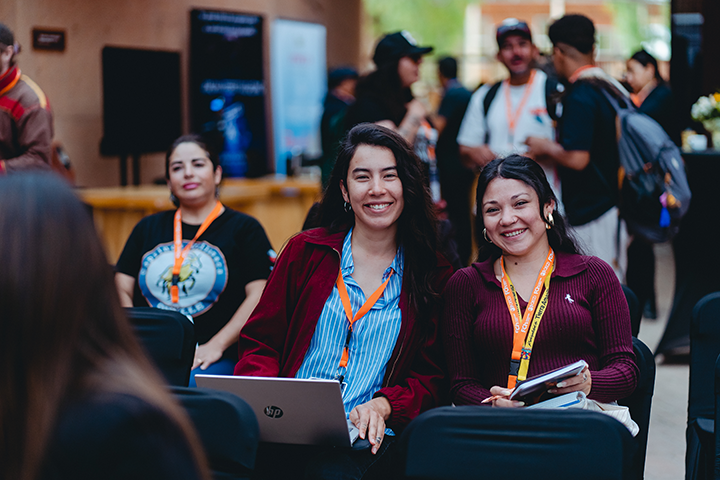
The event brought together representatives of Indigenous peoples—Aymara, Mapuche, Colla, Quechua, Chango, Atacameño, and others—along with businesses, public institutions, and international experts to share experiences on entrepreneurship, certification, market access, and the development of Indigenous economies.
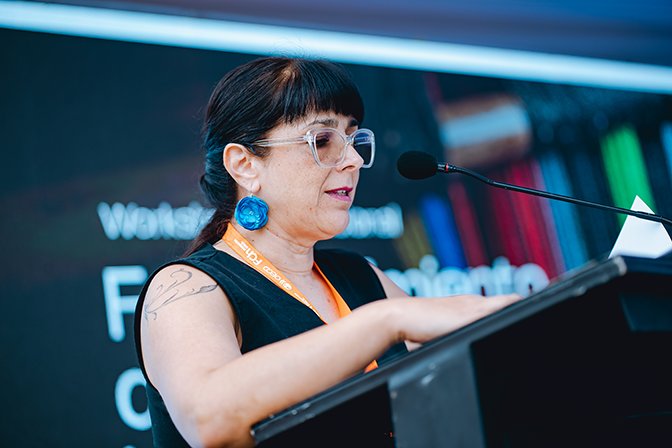
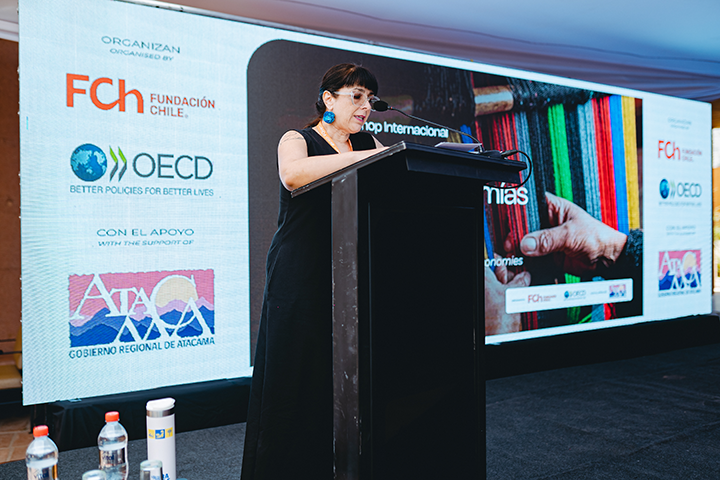
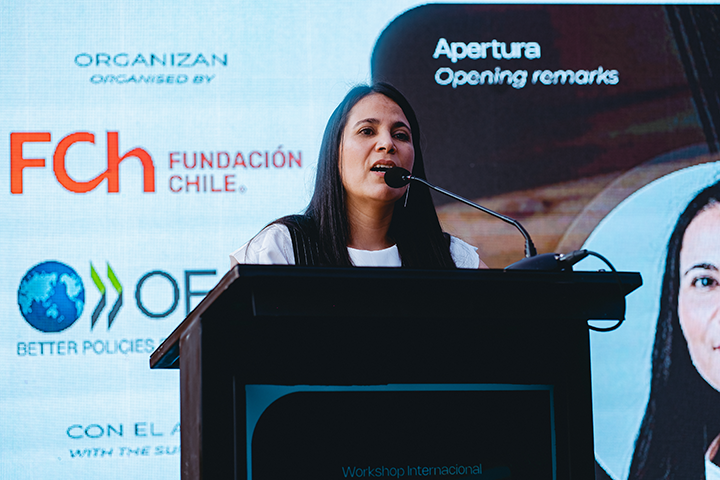
The Acting Regional Governor of Atacama, Rocío Díaz, shared the regional government’s perspective, noting that “value must stay in the territory. Major mining, energy, and tourism investments need suppliers, services, food, guides, transportation, and culture. There is enormous room here for certified Indigenous businesses to build long-term partnerships with the private sector and with the State itself, which, through its public procurement, can incentivize Indigenous and local suppliers.”
Hernán Araneda, General Manager of Fundación Chile, praised the gathering and stated that “this is a particularly relevant conversation for Atacama, where there is a concrete opportunity to expand the participation of Indigenous businesses in the value chains of mining and other productive sectors, generating long-term business relationships and new growth opportunities. Strengthening Indigenous economies drives the diversification of our regional economies, and learning from international experiences offers a very valuable perspective.”
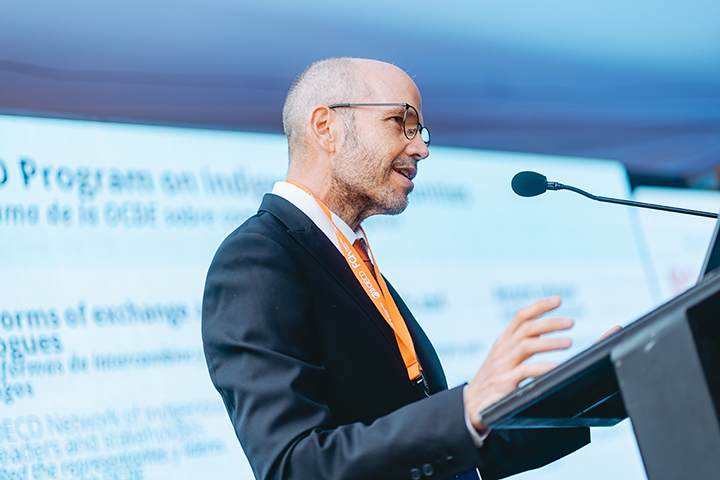
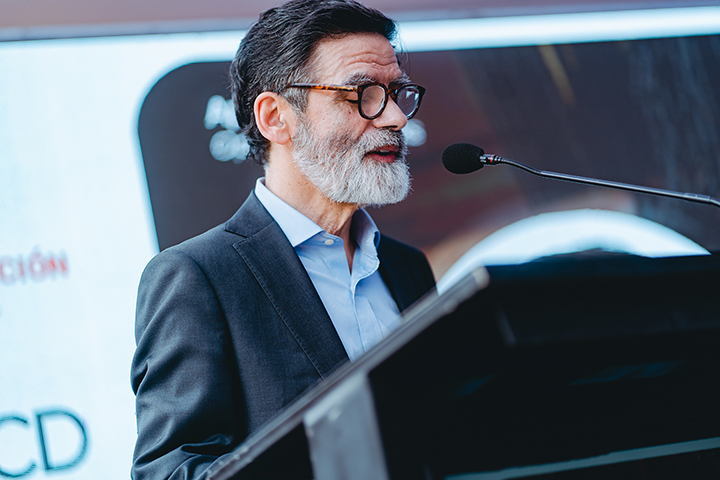
José Enrique Garcilazo, Deputy Head of the OECD’s Division of Regional Development and Multi-level Governance, highlighted the importance of opening this conversation in the region. “We had never had the opportunity to have this discussion in Latin America. This event is very important for us, because it is the first one we have held in the region,” he said. The OECD representative stated that economic development is key for communities to realize their own visions for the future and preserve their culture. “Today, the most important thing for us is to listen and learn,” he added, emphasizing the value of sharing international experiences to identify tools that contribute to the development of these economies.
From procurement to long-term partnerships
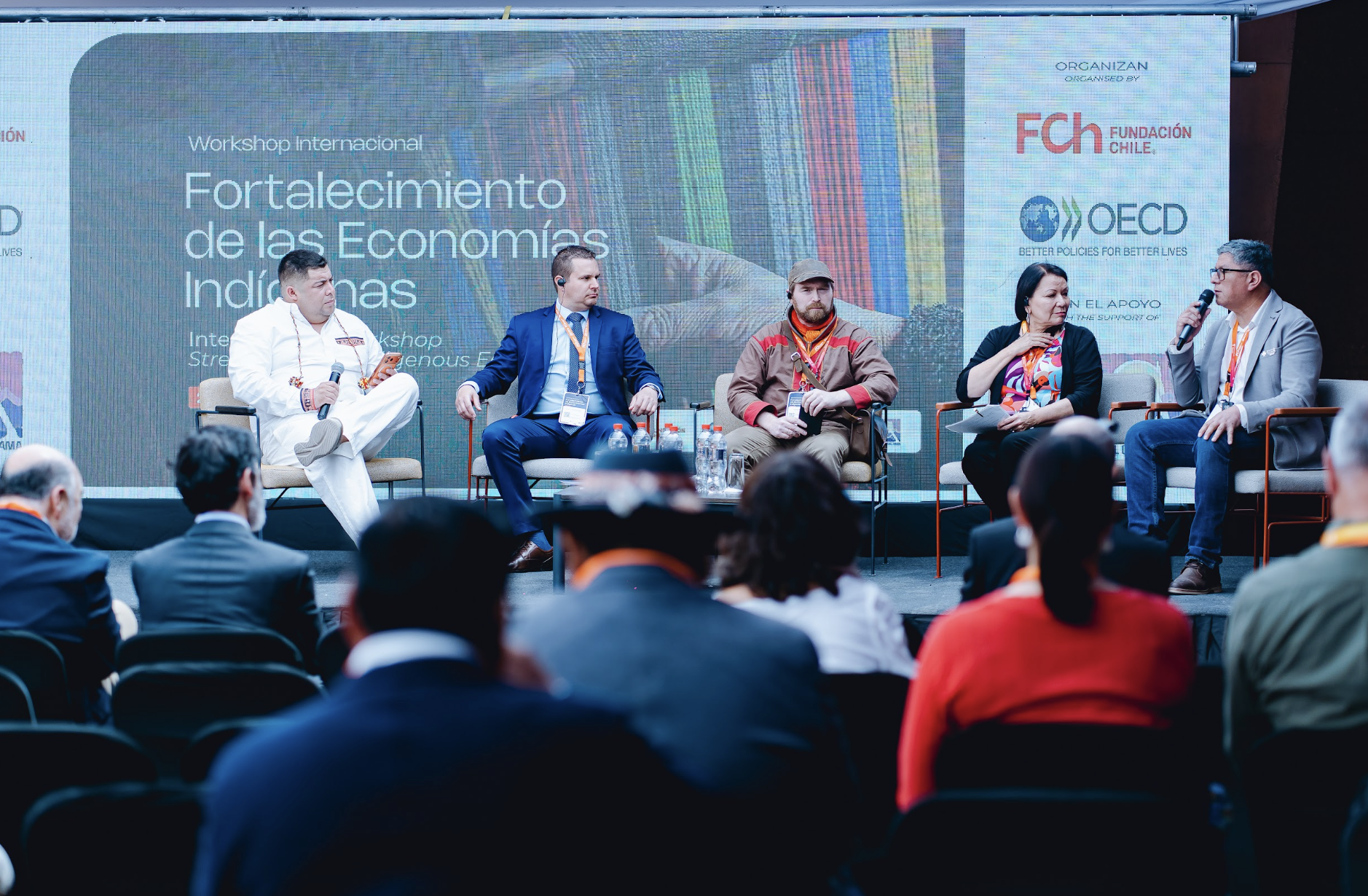
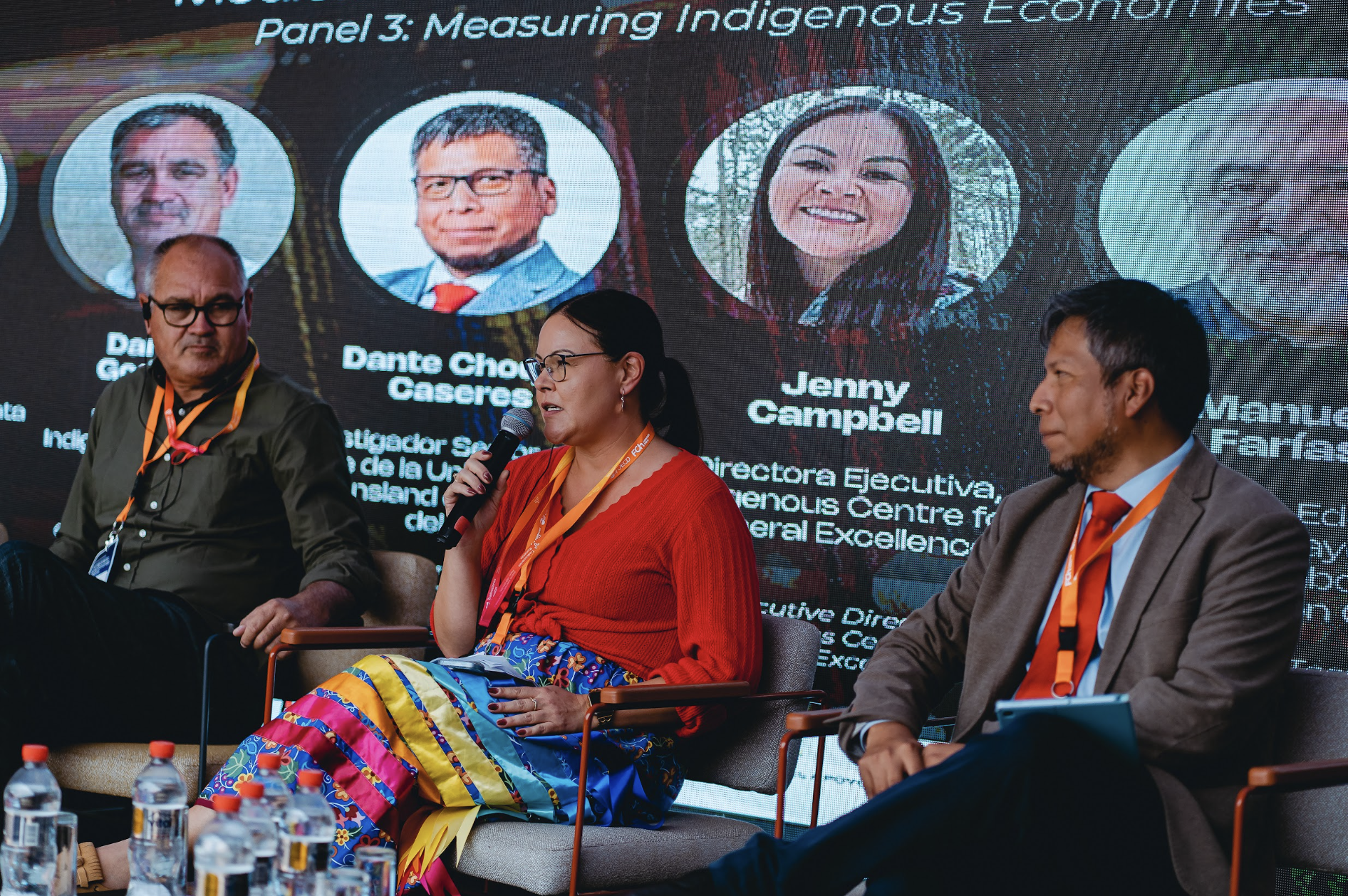
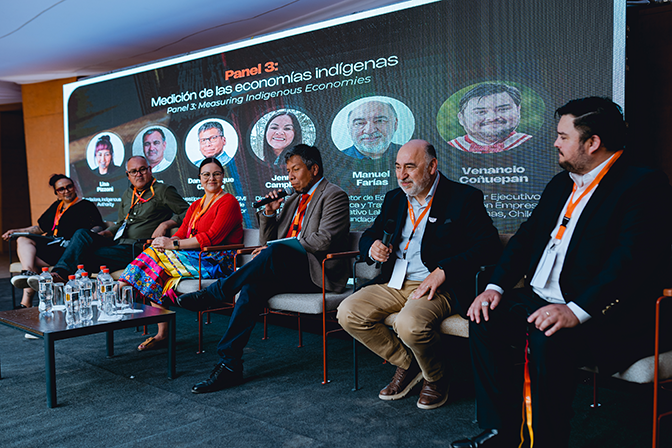
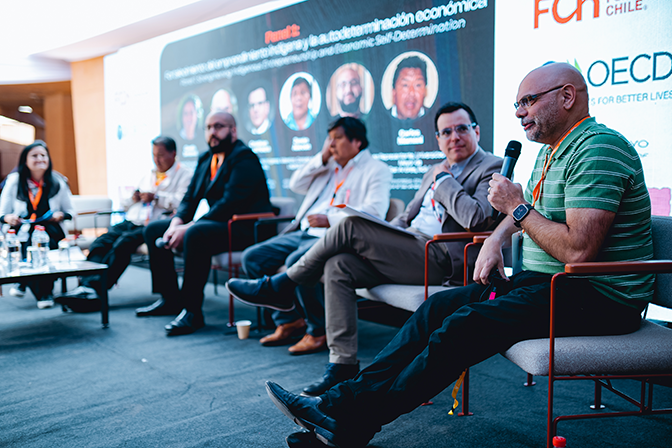
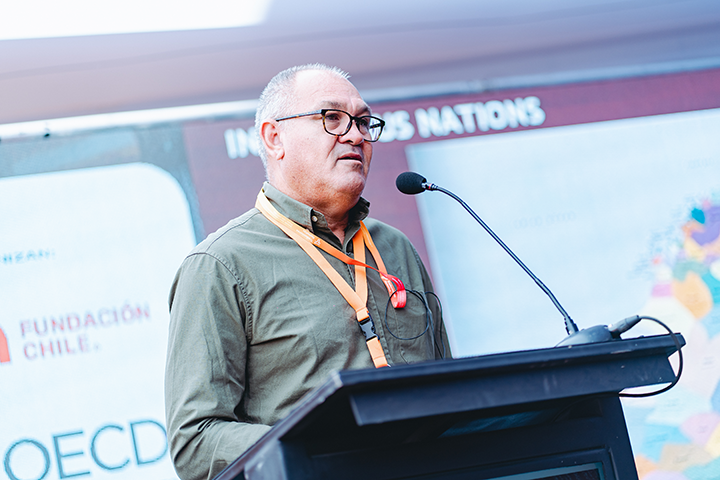
One of the central topics was the role that large companies can play in opening commercial opportunities for Indigenous businesses. Cristhian de la Piedra, Head of Indigenous Affairs at BHP Latam, shared the company’s experience, which went from a procurement target of US$22 million from Indigenous businesses in 2024 to US$42 million in 2025, involving around 43 businesses.
However, he warned that increasing procurement is not enough if those opportunities don’t help build sustainable businesses. “We need to distinguish between the economic participation of Indigenous businesses and economic self-determination,” he said, explaining that the company began reviewing experiences from Canada and Australia to move toward business relationships that strengthen capabilities and generate quality employment.
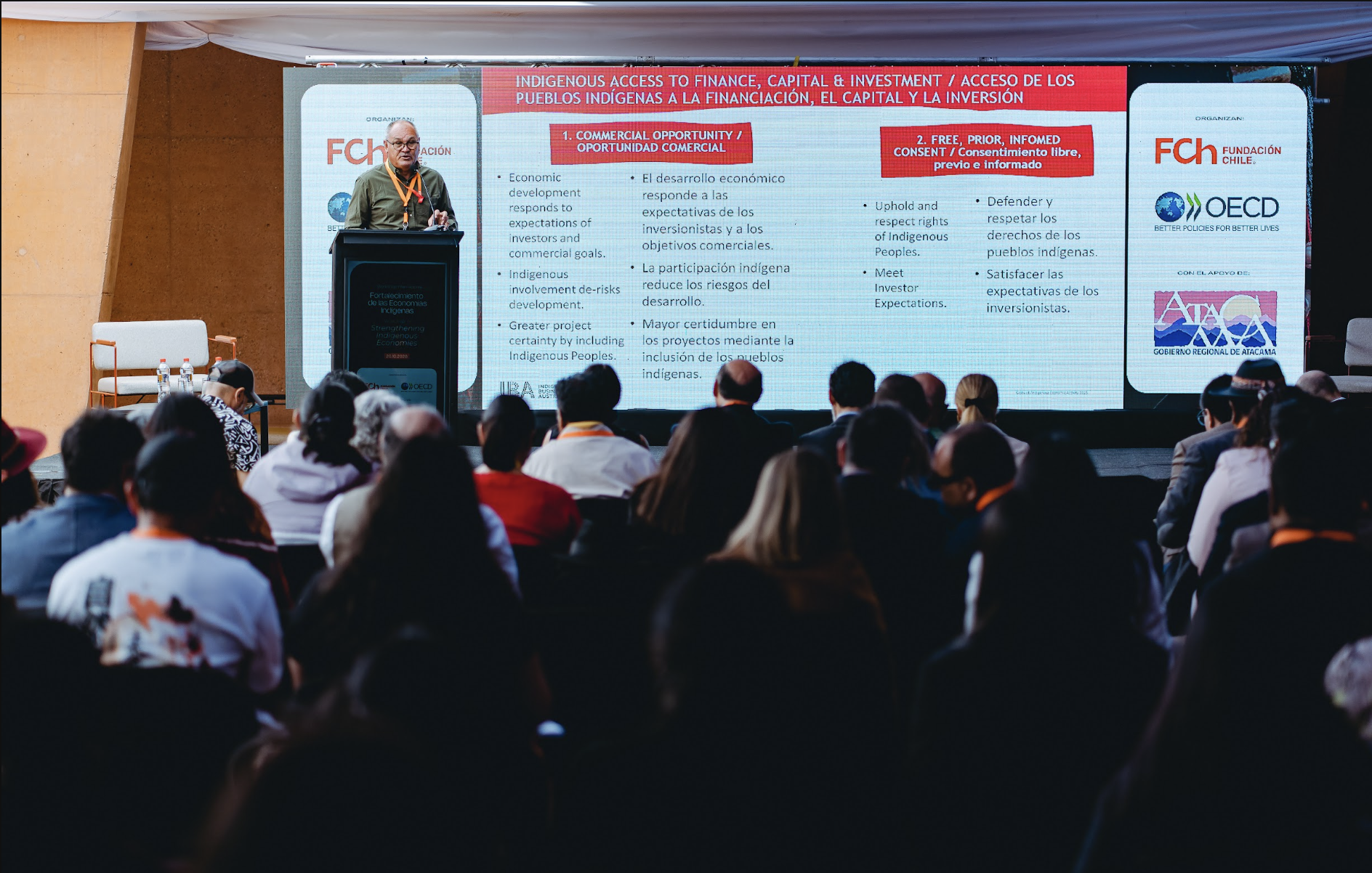
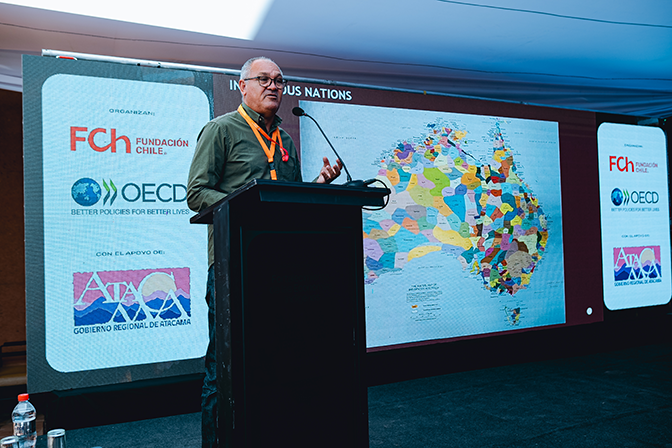
From Australia, Darren Godwell, President of Indigenous Business Australia, called for moving beyond viewing Indigenous peoples as recipients of public funding and instead recognizing their potential as economic actors. “Indigenous peoples have been pigeonholed as recipients of government money, but that’s an outdated view. The future lies in more commercial partnerships with Indigenous interests, more investor alliances, and more asset development,” he stated.
Godwell also warned that involving communities from the earliest stages of projects is essential for the sustainability of investments. Ignoring the rights of Indigenous peoples, he noted, can raise project risks and costs.
Zenón Alarcón, an Aymara member of the Indigenous advisory council of the Legado Circular program, recalled how much the discussion on these issues has changed, though he noted that economic development remains an ongoing challenge. “Thirty or forty years ago, these topics were taboo. Indigenous peoples had focused mainly on Indigenous rights, but we haven’t made the same progress on the economic front,” he said. In his view, public and private initiatives must recognize the diversity of Indigenous peoples and involve them from the outset, in order to build projects with clear goals and relationships that lead to sustainable outcomes.
Canada’s experience showed that having certification mechanisms that help identify Indigenous businesses, showcase their capabilities, and connect them with new opportunities can facilitate their growth.
Dawn Madahbee Leach, board member of Canada’s Centre for Mineral Excellence, explained that these systems are helping facilitate industry and government procurement, identify businesses ready to export, and measure the results of sourcing initiatives. “Many of our businesses can already offer their services worldwide, and several already do. We can all learn from one another as we take these steps, because as Indigenous peoples globally, we are building on each other’s successes. We need more forums like this to share our best practices,” she said.
The gathering offered a chance to learn about different experiences in strengthening business capabilities, improving connections with potential buyers, and generating information to help guide public and private decision-making. It also highlighted the value of collaborative networks in helping businesses learn from one another’s experiences and expand their opportunities.
Legado Circular: Businesses Growing with Territorial Identity
The gathering is part of the Legado Circular program, led by Fundación Chile with the support of BHP, which seeks to strengthen Indigenous businesses and ventures in the northern macrozone, from Arica and Parinacota to Coquimbo.
The initiative works on building business capabilities, improving access to financing and new markets, fostering collaboration between public and private stakeholders, and developing registration and certification tools that help raise the visibility of these businesses and build trust in their business relationships. The goal is to expand their development opportunities while recognizing their cultural identity and connection to the territory as part of their value.
“What we heard today confirms that the challenge isn’t just for Indigenous businesses to sell more, but for them to grow with autonomy and their own identity. Through Legado Circular, we want to support that journey by strengthening capabilities, opening doors in supplier chains and other markets, and creating tools that bring visibility and trust to these ventures,” said Manuel Farías, Director of the Legado Circular program.
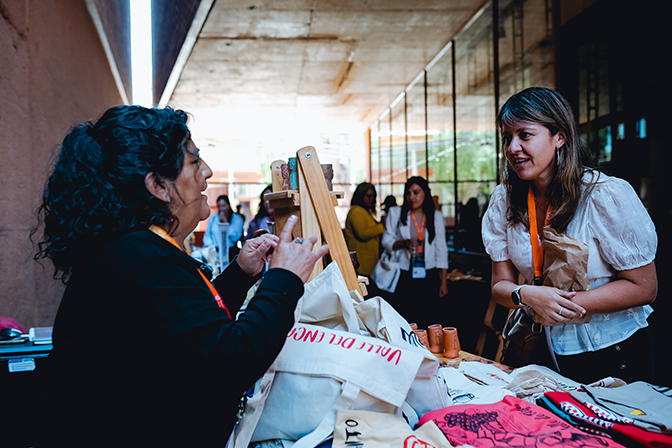
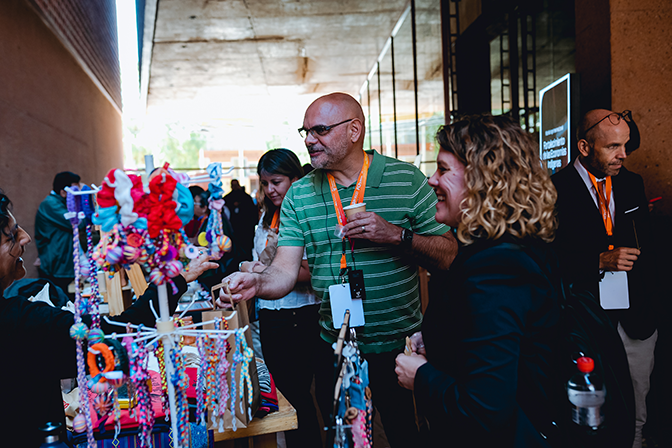
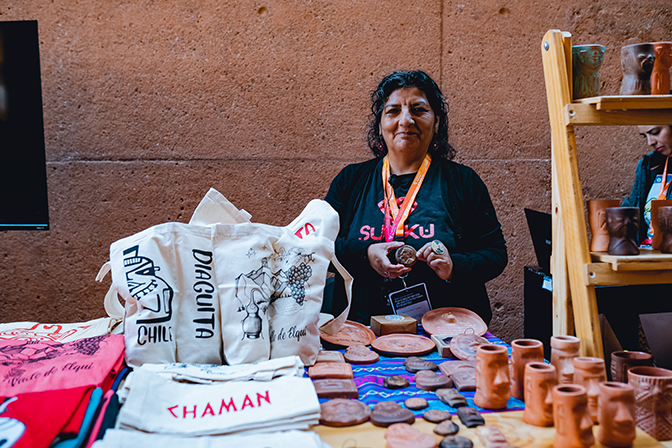
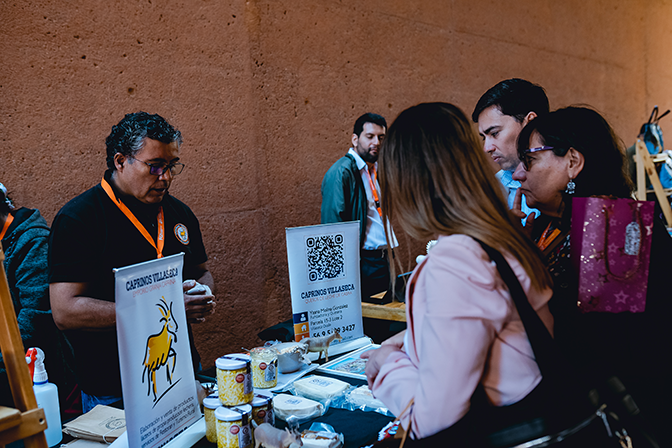
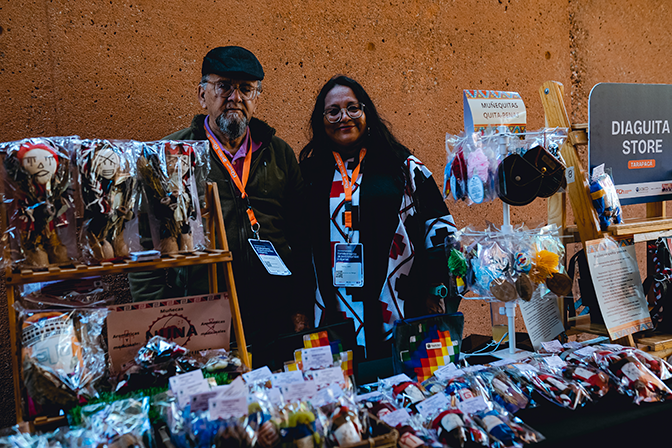
The event also included a showcase of products and services from Indigenous ventures in the region that are part of the Legado Circular program’s registry of Indigenous businesses, offering a glimpse into initiatives that connect economic activity, culture, and territory.

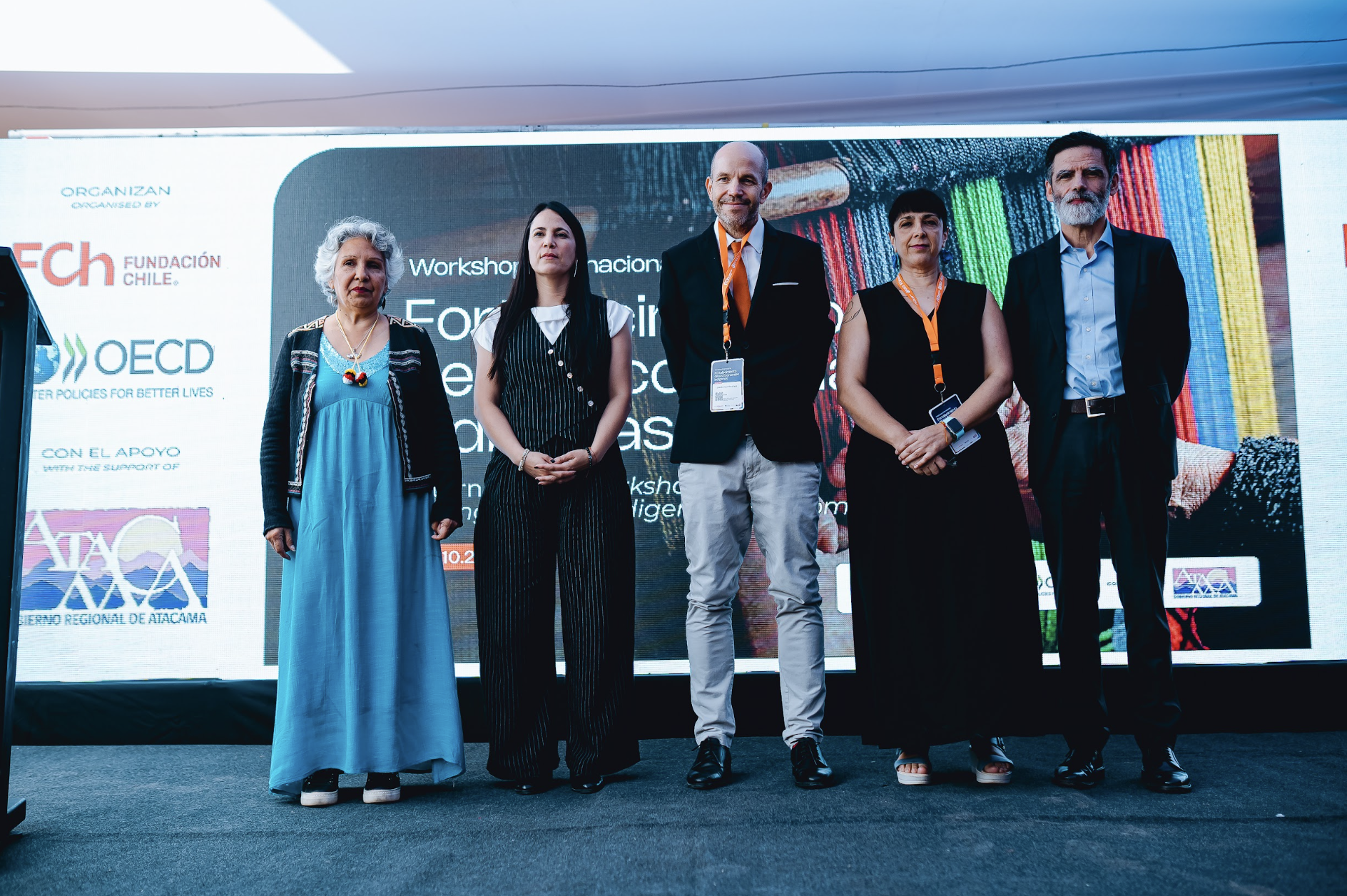
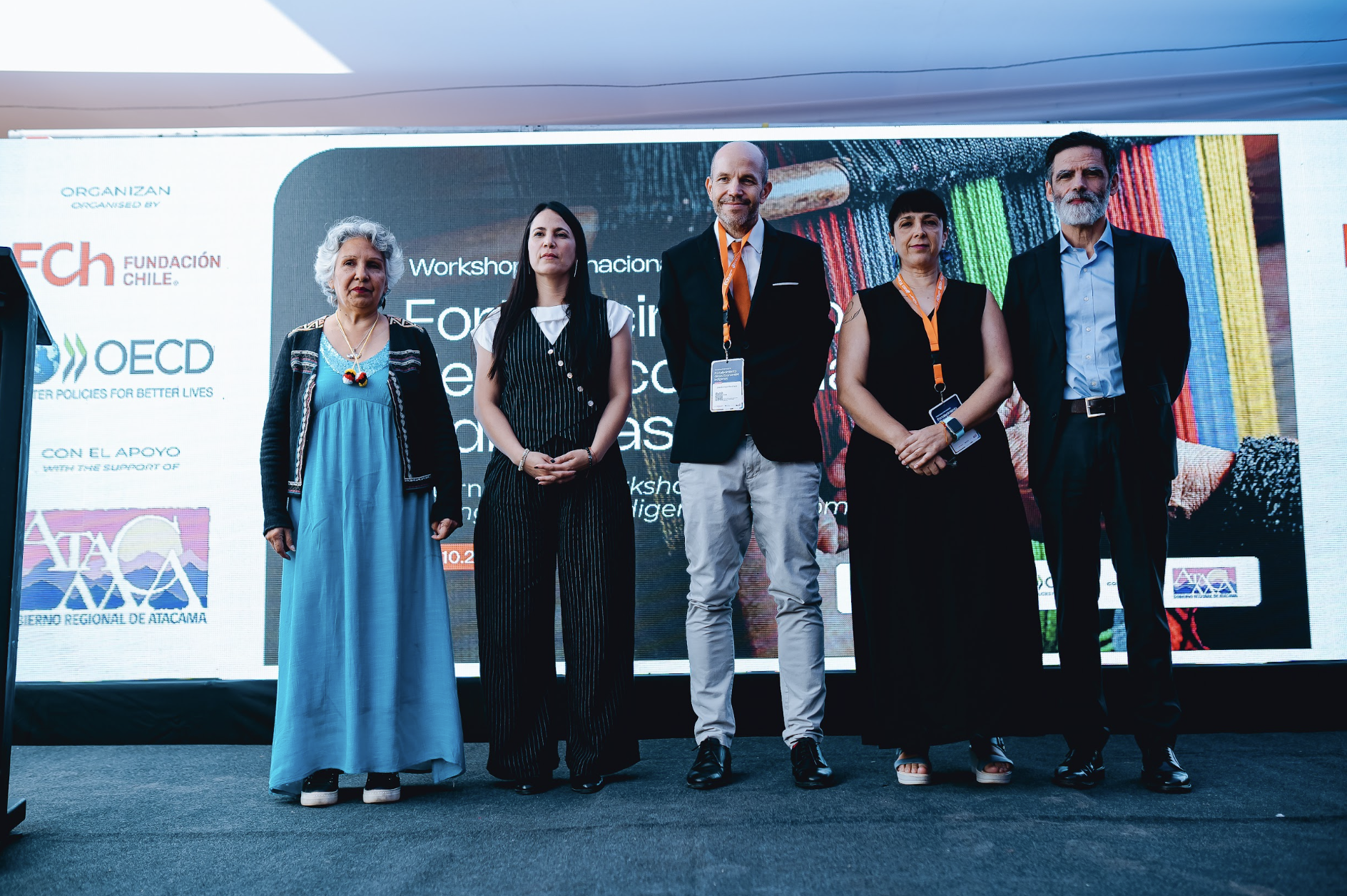
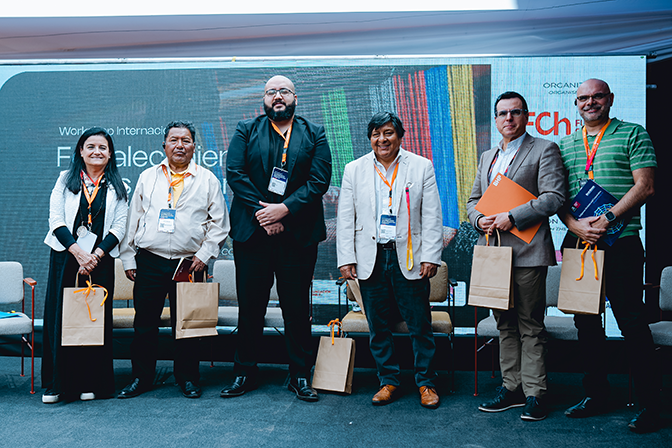
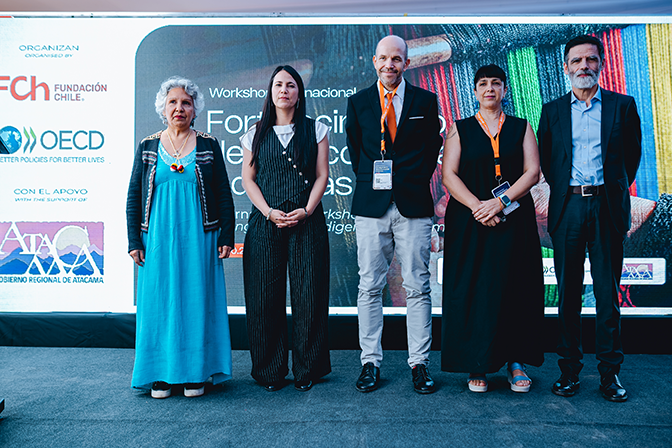
From left to right: Zulema Mancilla Cardozo, Cultural Coordinator of the Indigenous community of Pastos Grandes, Atacama Region; Romina Figueroa Berríos, Director of the Regional Museum of Atacama; José Enrique Garcilazo, Deputy Head of Division, Regional Development and Multi-level Governance, OECD; Rocío Díaz, Acting Regional Governor of Atacama; Hernán Araneda, General Manager of Fundación Chile.
Share


