Renchúfate
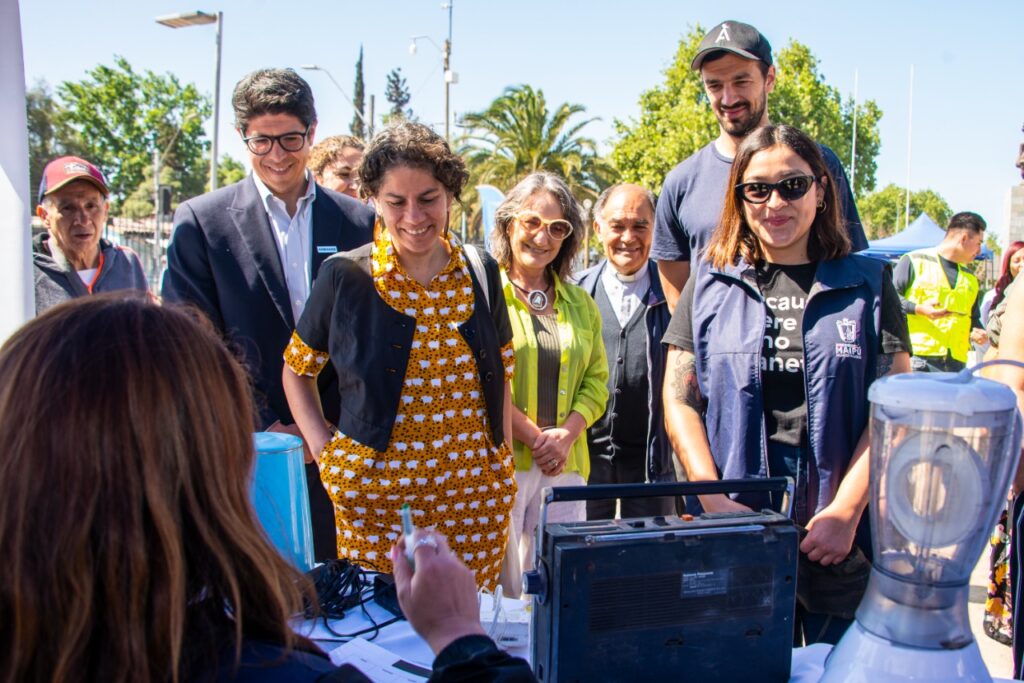
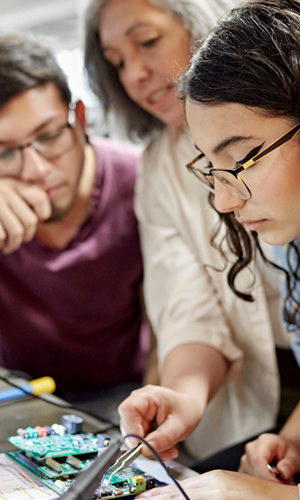
Since 2022, the aim has been to work with the school community and municipalities, providing information for the proper management and disposal of this equipment, promoting the “3Rs” around them: reduction, repair, and recycling of waste.

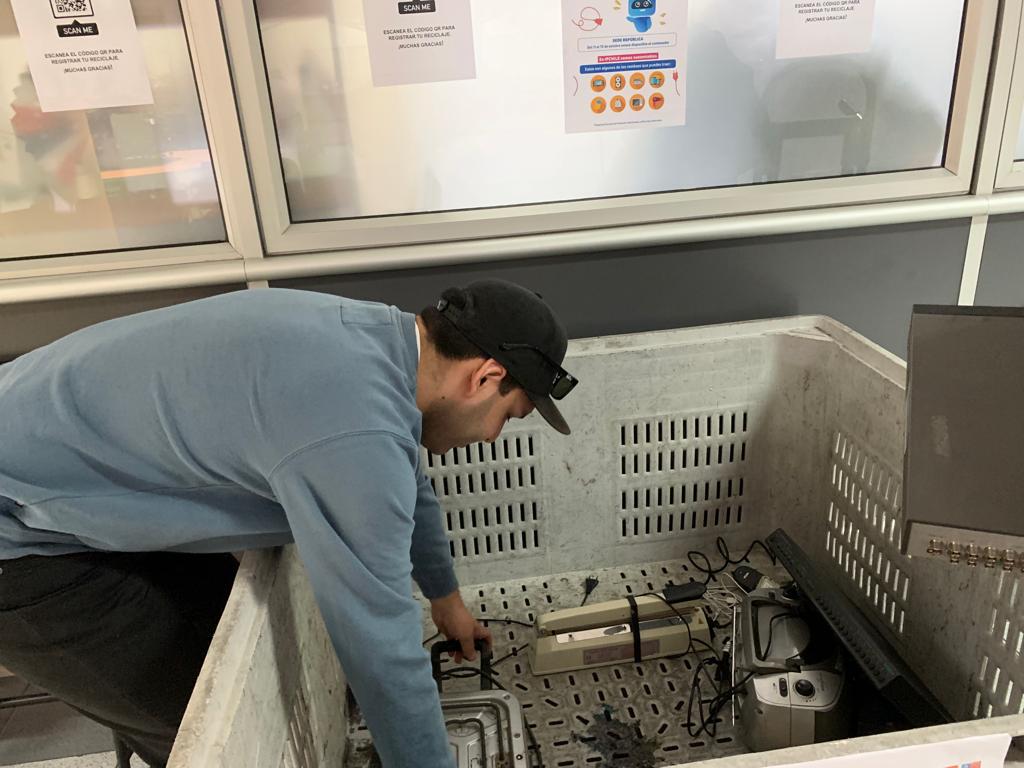
The initiative seeks to promote solutions to address the growing amount of discarded electrical and electronic equipment (EEE), encouraging its reuse.
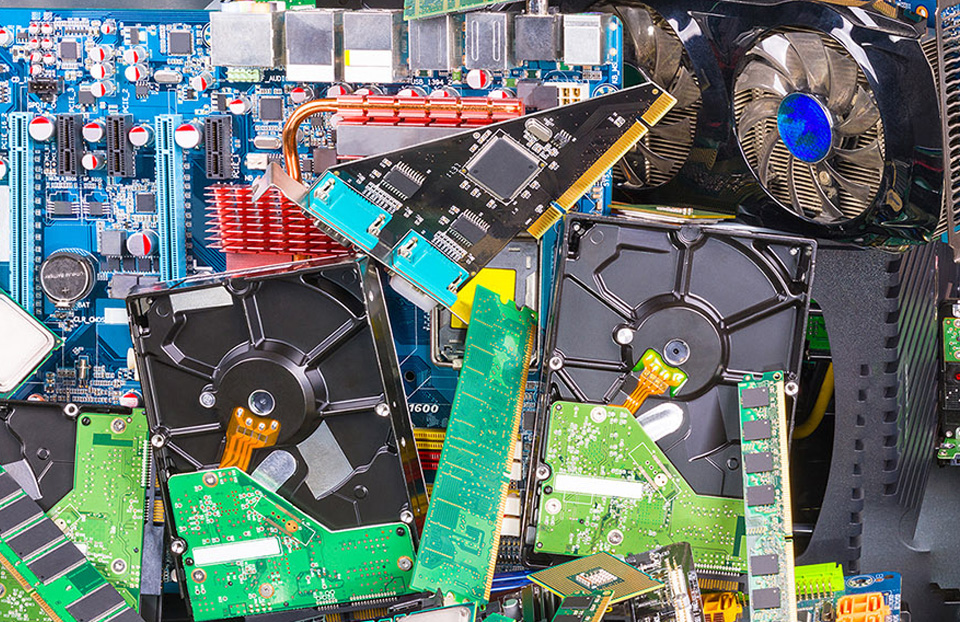
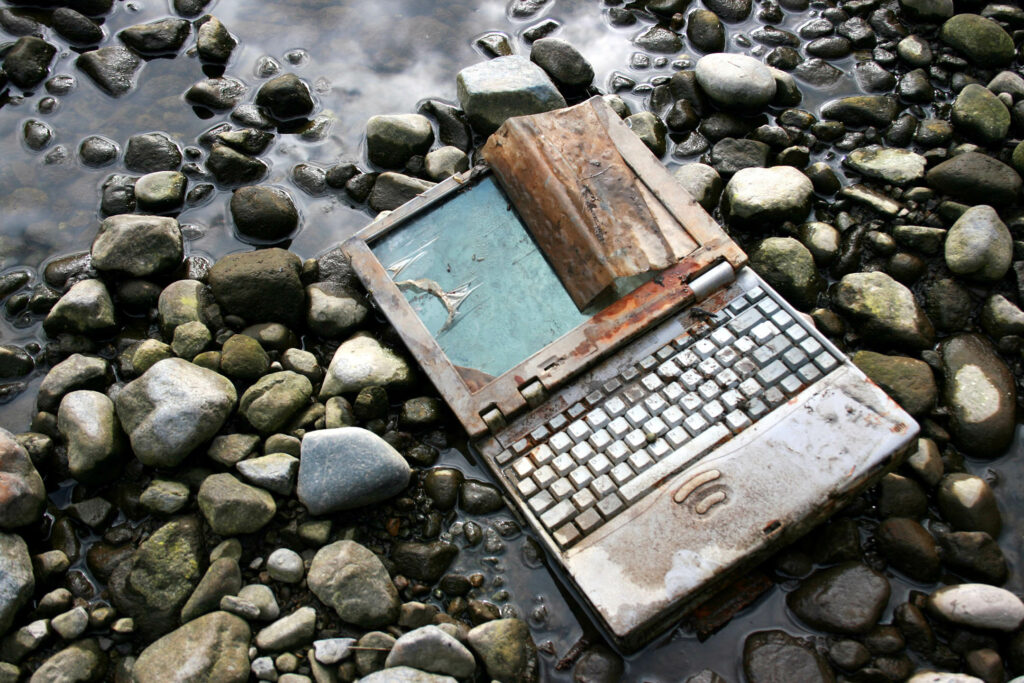
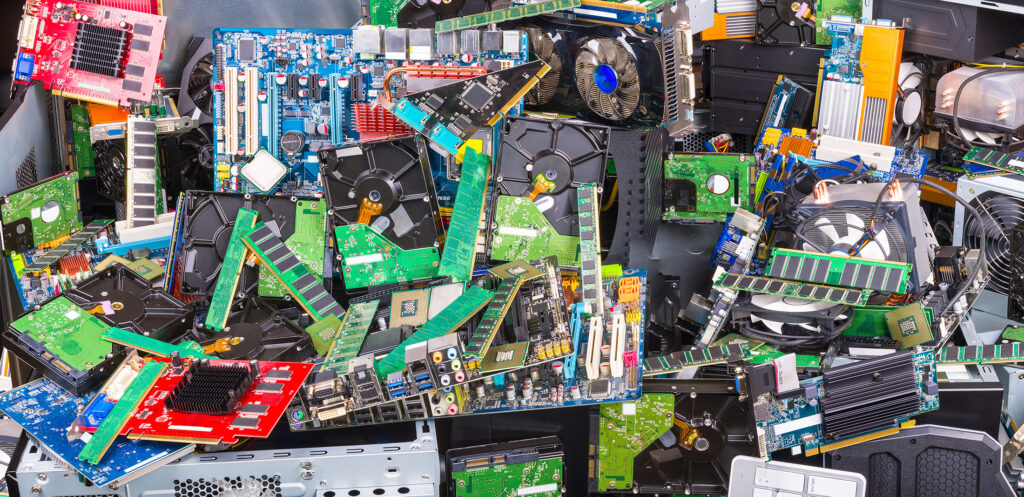
Waste electrical and electronic equipment (WEEE) is now an urgent global problem. Its rapid growth rate worldwide, and the release of hazardous substances contained in some of this equipment — such as mercury, lead, cadmium, among others — represent a threat to human health and the environment.
In Chile, it is estimated that by 2027, 14 kg of electronic scrap will be generated per inhabitant. Only 3.4% of waste is currently collected and treated properly.
This is explained by:
Through the initiative, the aim is to promote solutions to address the growing amount of discarded electrical and electronic equipment (EEE), encouraging its reuse.


Since 2022, the aim has been to work with the school community and municipalities, providing information for the proper management and disposal of this equipment, promoting the “3Rs” around them: reduction, repair, and recycling of waste.

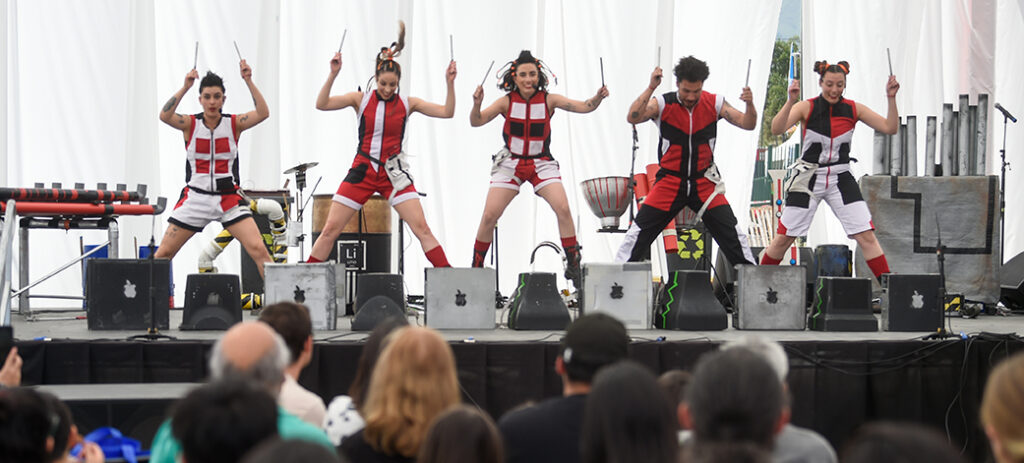
Series of four episodes broadcast by NTV, which teaches and raises awareness among families in an entertaining way about circular economy, energy efficiency, and the environmental crisis represented by waste electrical and electronic equipment (WEEE).

In 2022, a pilot was launched for the separation and collection of potential plastic fractions from WEEE containing BFRs (brominated flame retardants).

Since 2019, various reports and guides have been developed focused on gathering background information and studies on the presence of POPs in WEEE; characterization of WEEE management plants in Chile; informational guides for citizens and communicators; and the state of the art of international and national initiatives.

In 2019, an assessment was conducted of the existing national information system that would be used to collect, systematize, and analyze data related to the Electrical and Electronic Equipment (EEE) sector.
This initiative contributes to the following Sustainable Development Goals: