Design and co-creation
Of a model based on the Business Improvement Districts (BIDs) model for the creation and management of commercial districts.

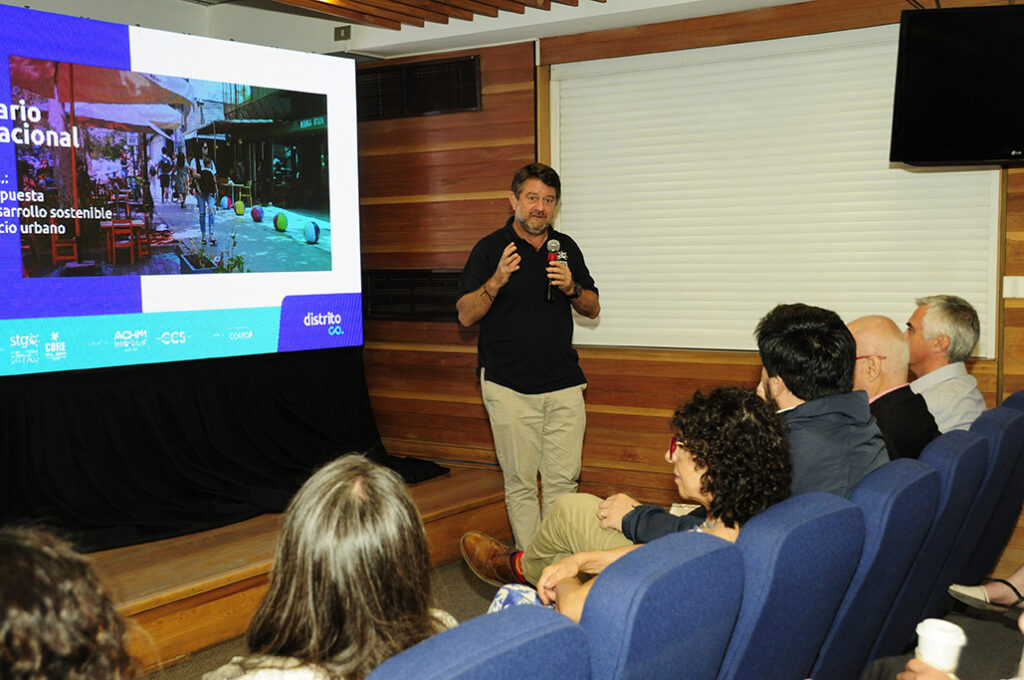
It is a program promoted by the Government of Santiago, together with the Metropolitan Regional Council and implemented by Fundación Chile, which seeks to boost local commerce and sustainable economic development in commercial and business areas of the Metropolitan Region.
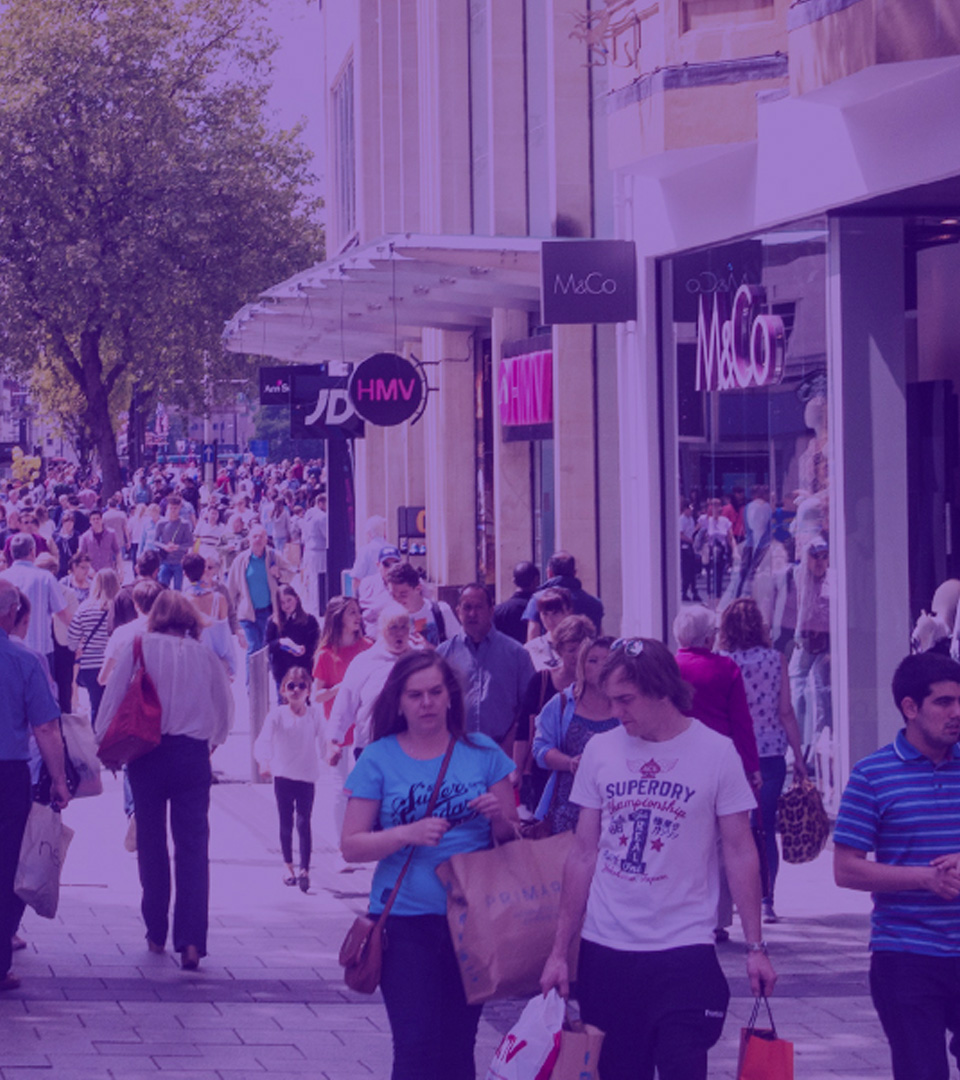
Distrito Co. is inspired by the international experience of “Improvement Districts,” known as Business Improvement Districts (BIDs).
It is a sustainable management model for commercial and business districts, where private organizations, created to manage them through the payment of self-imposed monetary contributions, are enabled to provide an additional range of services in the districts, benefiting their economic promotion and regeneration.
The initiative is part of a strategy by the Government of Santiago to promote more competitive, sustainable, and prosperous cities. It also seeks to turn Greater Santiago into a national benchmark in urban planning and economic development, ensuring that each territory has the specific tools and knowledge needed for its growth, consolidation, and sustainability.
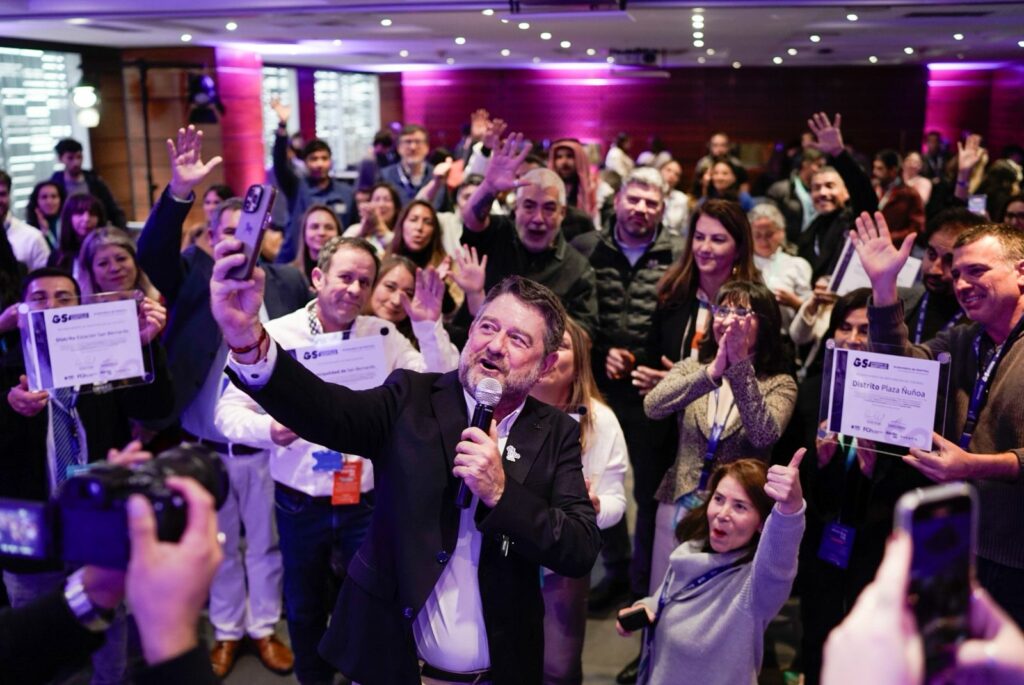
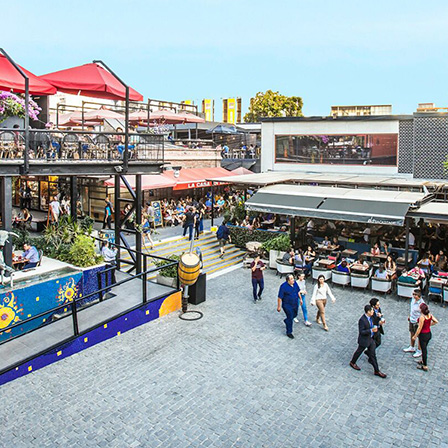
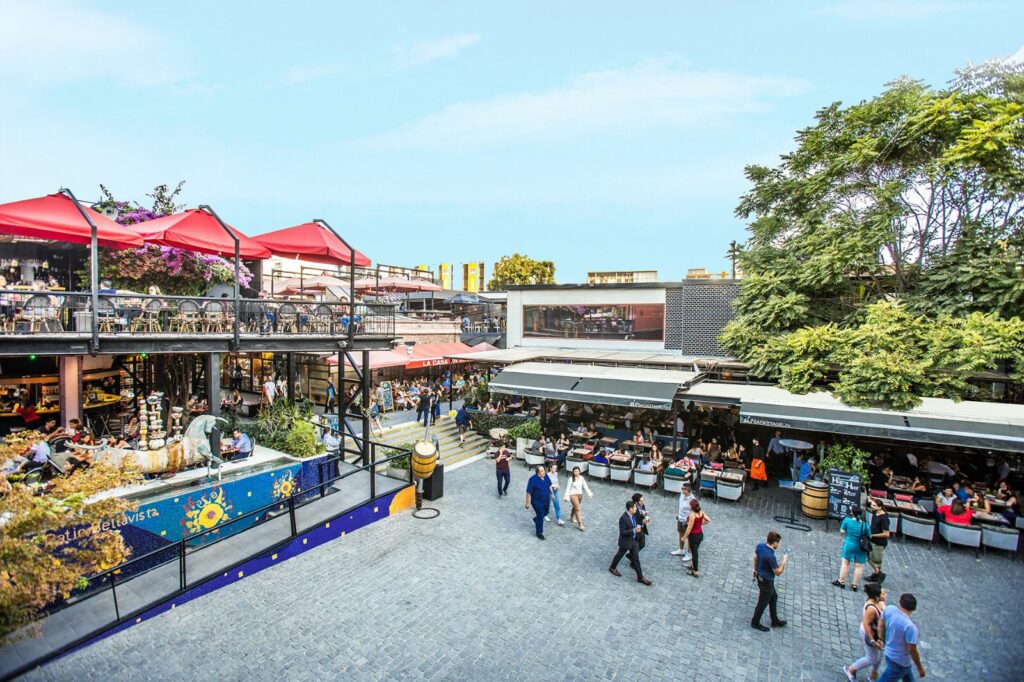
In the first phase of Distrito Co., the pilot districts Plaza Ñuñoa and Bellavista served as the setting for significant progress in their organization and planning, where core teams were formed and specific action plans were designed to drive local development.
Through the establishment of a Network of Districts in the Metropolitan Region, the aim is to:
Of a model based on the Business Improvement Districts (BIDs) model for the creation and management of commercial districts.

Testing of the model in 2 pilot districts (Plaza Ñuñoa and Barrio Bellavista).

Promotion of a public–private partnership as a foundation for the sustainability and continuity of the model.

A legal feasibility study was conducted, and a public policy was proposed for the adoption of the Business Improvement Districts (BIDs) model in the Metropolitan Region.

A key tool was developed that details, step by step, the process for creating a district.

They now seek to expand the program’s reach by creating a Network of 12 districts in the Metropolitan Region.
This initiative contributes to the following Sustainable Development Goals: